
Navchetan Multispeciality Hospital
Knee pain is common — especially as we age. But how do you know when it’s more than just temporary discomfort? When conservative treatments stop working and daily life becomes difficult, it may be time to consider knee replacement surgery.
Here are the most important signs that you may need a knee replacement.
Occasional knee pain after activity is normal. However, if you experience:
It could indicate advanced joint damage, often due to Osteoarthritis.
If you struggle to:
Joint stiffness may signal significant cartilage wear.
Why it happens: Lifestyle habits, work posture, sports, and repetitive strain.
A major warning sign is when knee pain interferes with normal life, such as:
When everyday tasks become challenging, the joint may be severely damaged.

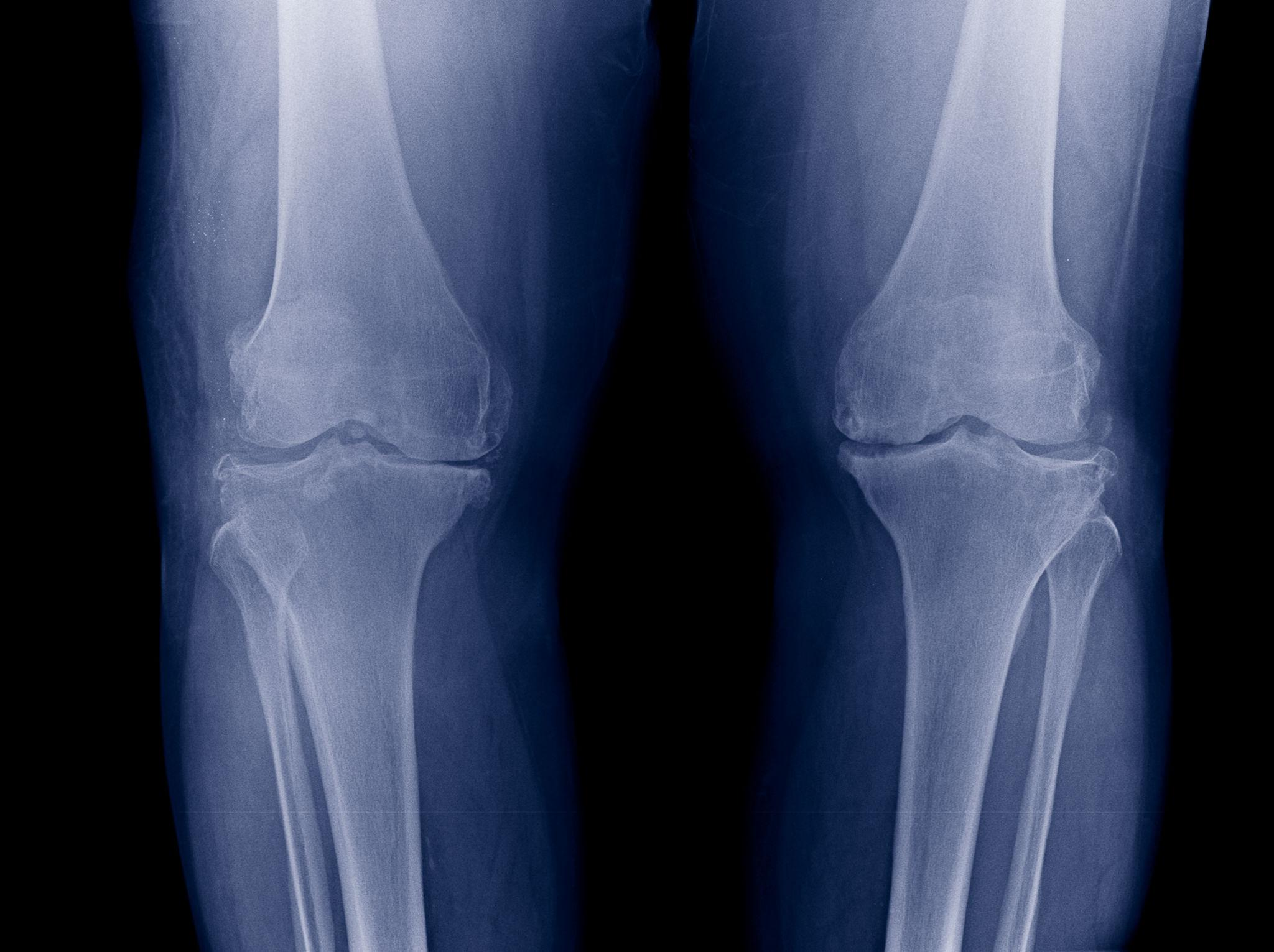
Occasional swelling after injury is common. But chronic inflammation that:
may indicate progressive arthritis or joint degeneration.
If your knee begins to look visibly misaligned — either bowing outward or inward — it may be due to uneven cartilage loss. Structural changes often suggest advanced arthritis.
Doctors usually recommend conservative options first, such as:
If these treatments no longer provide relief, surgery may be the next step.
Imaging tests often confirm the severity of arthritis. If X-rays show:
Your orthopedic specialist may recommend Total Knee Replacement.
When knee pain causes:
Knee replacement is most commonly recommended for:
However, age alone does not determine eligibility — overall health and activity level matter more.
There is no “perfect age” for knee replacement. The right time is when:
Delaying surgery too long can lead to worsening deformity and muscle weakness.